How Do Internships Work

Have you ever wondered how internships work? If you're in college, getting ready to enter college, or enter the job market, then you've probably heard of an internship. You may have heard of it, but do you know what an internship is or how it is supposed to work? Some people don't and it's pretty confusing when you're looking for one for the first time, but don't be afraid! It's actually fairly straightforward.
In this article I'll discuss the topic: How Do Internships Work?
What Is An Internship Exactly?
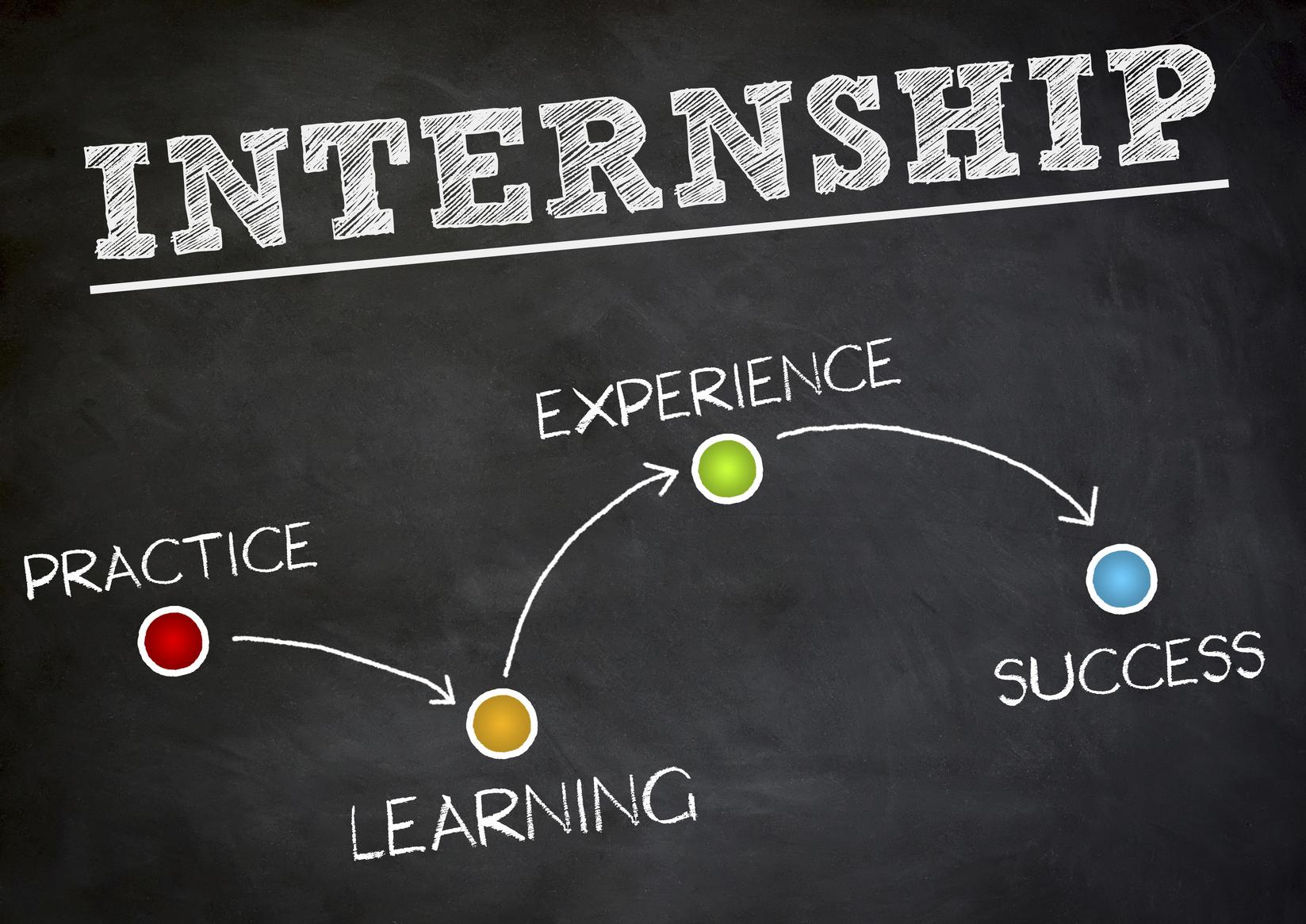
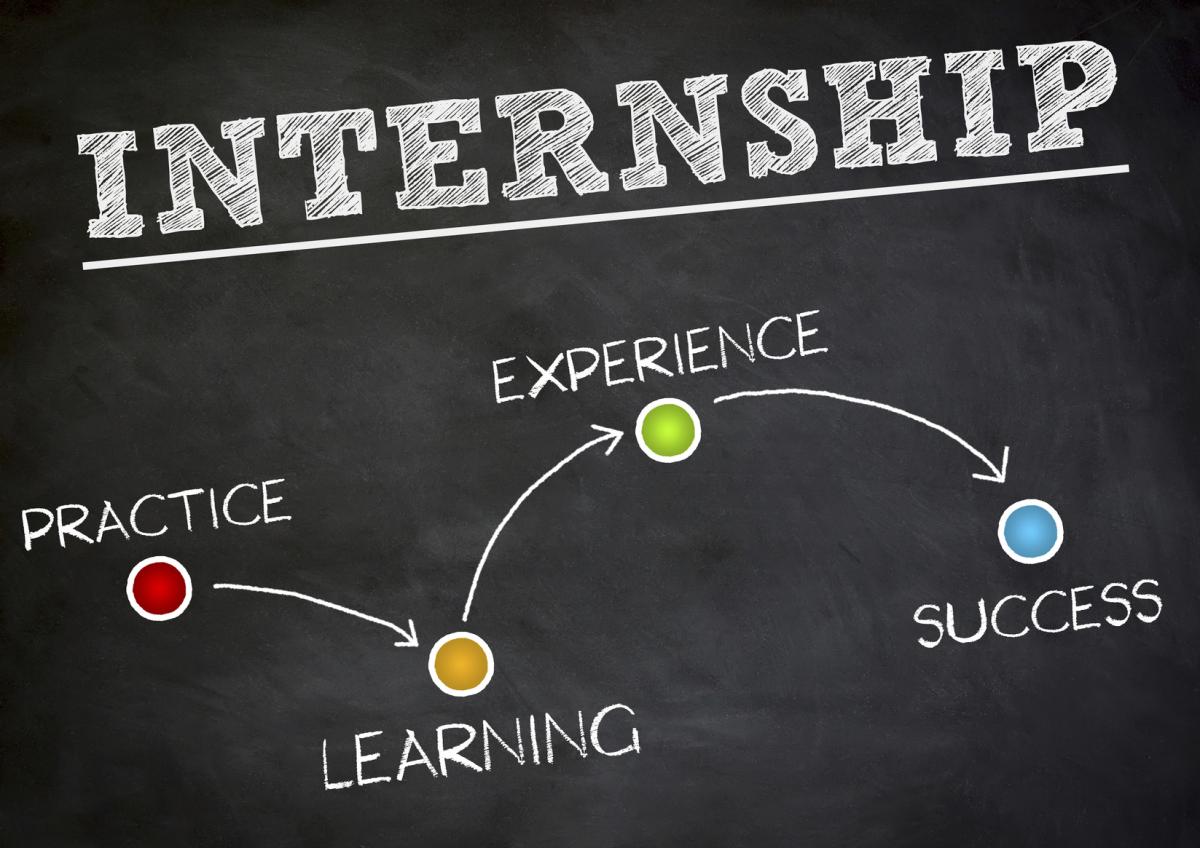
First, let's go over exactly what an internship is. An internship is very similar to a job except for the fact that it is usually a learning position. Many internships are taken by college students or those who are just entering a certain work field. It allows people to gain experience on the job and learn from individuals who have gained important knowledge and experience through years of working in the desired subject or field. An internship is a great way to begin a career in pretty much any field, and employers are usually looking for people who have had internships in the past.
Internships provide a hands-on experience that can be pivotal in shaping your career. They offer a unique opportunity to explore potential career paths without the long-term commitment of a full-time job. This can be particularly beneficial for students who are still deciding on their career direction. Furthermore, internships can be a platform for developing soft skills such as communication, teamwork, and problem-solving, which are highly valued in any job market.
Okay, So How Does It Work?
There are a few ways that internships work. The major portion of this would be just finding a company that has an internship program for you to participate in, but many companies do as it's a very beneficial process. Participants usually find an internship through their college or by finding and applying to a program on their own.
Participating through your college:
- Many colleges bring multiple job owners and businesses to campus to come talk to potential workers or interns. This is your chance to get to know an employer and score an internship position at their company. You will have to submit your resume and go through an interview process which will be a little different for each company. At this point, assuming you get the internship, the company directs you to your new boss and the work begins. They will instruct you on how you will complete your work.
- Your college might also have an agreement with a few companies in the area or bigger companies to host interns from the college. These types of programs are very competitive as the work experience granted by an internship is very valuable. These opportunities could even be through a company that will help you find an internship abroad in another country such as API. Moreover, international internships can offer exposure to different cultures and business practices, enhancing your adaptability and global perspective.
Finding a Program on Your Own:
- When trying to find an internship on your own, it's best to talk to any contacts you may have through previous work, family, or any other contacts you may have. Send emails or call companies asking about an internship program available at their company. Be persistent as it will more than likely take a bit of time to either talk to the right person or actually get what you want.
- Be sure to apply at multiple companies as one may not result in an internship. You will need to submit a resume and participate in an interview process. Networking plays a crucial role here, as many internships are secured through personal connections and recommendations.
Internship programs usually set each intern with a supervisor or a mentor that will help and instruct them throughout the internship. They will also be responsible for giving you work and projects, so do your work well and make this person happy as they can become a valuable connection for the future. In addition, mentors can provide insights into the industry and professional advice that can be immensely beneficial in navigating your career path.

Do I Get Paid?
Probably one of the most popular questions about internships is whether or not you are paid. Pay depends on the internship. Some companies will pay you, while other companies may not. You will more than likely be paid in most cases, but it may only be minimum wage. It really will just depend on the company and the type of internship you are participating in (i.e. a technical internship like an engineering or computer science position will pay more as companies pay more for technical degrees).
It should be noted that unpaid internships can still offer significant benefits such as gaining professional experience, expanding your network, and enhancing your resume. However, it's crucial to evaluate whether the learning opportunities outweigh the lack of financial compensation. The U.S. Department of Labor has guidelines to determine whether an internship can be unpaid, ensuring that the primary beneficiary of the internship is the intern.
If you want to read similar articles to How Do Internships Work, we recommend you visit our Employment category.